Wednesday, 12 June 2024

Six warehousing trends for 2024

Six warehousing trends for 2024
There has been unprecedented pressure placed on global supply chains in recent years due to the global economy shifting, some prolonged consequences of the COVID-19 pandemic, as well as multiple political conflicts that have profoundly changed global markets and decreased the global race for more warehousing space.

Today, in-person shopping and e-commerce coexist seamlessly, according to the customer’s preferences, where warehousing is servicing orders day and night, to keep up with delivery promises as short as “next hour”. Despite all these challenges, as customers' demand rises, companies are currently looking for ways to build supply chains that can match the pace of their business, in a way that is automated, predictable, customised, and speedy!

Now, looking ahead as businesses explore ways to plan, here are the ways in which they can take care of their end-to-end warehousing, storage facilities, and inventory management to tackle 2024 and fulfil their customers’ wishes.

What will be the upcoming warehousing trends in 2024?
Automation: In recent years, automation has transformed the warehousing industry by revolutionising operations and redefining how goods are handled, stored, and distributed. The most used automation technologies that will still take centre stage in 2024 will include Autonomous Mobile Robots (AMRs) to manage automated fulfilment activities and enhance the efficiency of order picking. Autonomous robotic arms will be increasingly used for example to unload containers, minimising workplace injuries connected to depalletisation and support with repetitive tasks. These smart machines can empower businesses by efficiently moving products throughout the distribution centre and packing orders with precision and speed by using advanced localisation algorithms, computer or machine vision and digital interfaces with existing systems. In the rapidly evolving omnichannel landscape, speed will be paramount, and integrating multiple automation technologies in a fast way could present itself as challenging for companies. However, when executed right, warehouse automation will yield substantial long-term rewards and will be essential to address the escalating demands of e-commerce, continuing to boost the deployment and use of robotic and autonomous solutions throughout the next year (and beyond).
Stock merging: 2024 will see more businesses asking warehouses to structure themselves to allow for businesses to keep their products in one stock. While today businesses usually ask warehouses to keep the stock for physical shops separated (at times in different buildings) from the online shopping one, “the trend now seems to be to merge stocks, allowing brands to pull orders and returns from the same stockpile servicing all the different ways in which they manage their omnichannel offering” says Charlotte Petersen, Global Head of Business Product Warehousing at Maersk. This trend, giving brands flexibility, can also be helpful in the management of buffer stock (the extra amount stored just in case orders exceed predicted amounts) which in turn supports the reduction of extra production, impacting the environment.
Visibility: Has it been packed? Has it been shipped? Today, the amount of information a brand needs to provide to its end-consumer is augmented, as people get more experienced in ordering online and they also expect more transparency on their orders. 2024 will see visibility being offered as a “need to have” and not a “nice to have”. This information will be necessary for warehouses to gather and distribute to their partners, also on product returns, reducing the number of calls to customer service which can be of help to both consumers and businesses.
Sustainability: As most businesses are currently focused on creating strategies to lower the environmental impact of their facilities, they will lean more on their integrated logistics service providers to reduce Scope 3 carbon emissions from warehousing operations. This is done by improving building new warehousing infrastructure using sustainable materials and servicing it with sustainable energy sources. Next year, we will see integrated logistics service providers making increased use of emissions visibility tools to help reduce GHG emissions within supply chains. These tools are already in use by fourth-party logistics (4PL) providers to overall increase the visibility of logistics but will be directed as well to have a better view of emissions. This would be a great asset for businesses that have set ambitious decarbonisation targets which can be achieved via continuous improvement. Customers are actively embracing circular economy principles to minimise waste. Improving Circularity with the help of reusable pallets, and disposable and/or reusable packaging can drastically help reduce carbon footprint within a warehouse. So far recyclability has been pursued by LSPs at the behest of customer requests but going forward waste management will become an important criterion for customers to ;.
Data optimisation: “In the dynamic world of warehousing, digitalisation plays a crucial role as the enabler of automation and speed, for future growth” confirms Nitesh Mandal, Global Head of Growth, Strategy and Solution Design for Fulfilment at Maersk. 2024 will see more businesses adapt to digital processes and modern warehousing operating systems. The upcoming advancements will include optimisation platforms that allow for simulations of both existing and potential environments to enhance business operations. A prime example of these is the Internet of Things (IoT) devices mounted on various pieces of machinery as well as other artificial intelligence (AI) operated tools that through the use of data, will enable forklift operators to work safely, by providing real-time safety alerts (e.g.: if people are in the path or when forklifts are in no machine zones). Data-led digitalisation will also enable equipment such as Automated Guided Vehicles (AGVs), conveyor systems, and robotic pickers to speed up precision and movements. The result will be a seamless flow of goods from arrival to shipment, minimising the risk of human error, and significantly increasing the overall productivity and capacity of distribution centres. Finally, data-driven decision-making, using analytics and predictive maintenance for machinery and equipment, is expected to increase in 2024 for warehouses to reduce downtime.
Restoring and customising: Warehouses that are deemed “old” by today’s standards will be retrofitted to meet the needs of modern logistics e-commerce operations. The new year will also bring a deeper level of industry-specific customisation, based on the needs of targeted markets such as e.g., pharmaceuticals or automotive. This customisation trend will be one that will keep evolving in the years to come.


What is in sight for warehousing?
For businesses worldwide, keeping up with the rapid evolution of technologies is no easy task, and a careful analysis of each option is necessary before committing to large investments. As the economy is not picking up yet, and businesses keep a focus on costs, looking into optimisation makes sense. In order to keep up with faster fulfilment needs, 2024 will see the warehousing world speed up its innovations for quicker supply chain management, particularly focused on automation, better data management, and decarbonisation. On par, this will be done while implementing the latest safety measures and refurbishing older facilities so that brands can keep their integrated logistics flow smooth and resilient for what is to come. And such re-thinking and re-assessing can be done through strategic partnerships with integrated logistics providers that can support a fast flow – powered by innovation and digitalisation - whilst keeping in mind sustainability and safety.

Sunday, 2 June 2024

Singapore port Congestion forces MSC to opt for Indian ports for Transhipment operations


Congestion-hit Singapore force Mediterranean Shipping Company to rely on Indian ports for transhipment
Container terminals at India’s eastern and southern ports such as Visakhapatnam and Kamarajar are reaping the benefits

 Mediterranean Shipping Company (MSC), the world’s largest container carrier, has increasingly started using Indian ports such as Kamarajar and Visakhapatnam for its transhipment operations as congestion in Singapore force some containers lines to omit calls at the world’s second busiest container port.

“MSC is dropping containers in terminals at India’s eastern and southern ports for transhipment. It’s huge,” said a shipping industry executive.

For instance, the Visakha Container Terminal Pvt Ltd, run by J M Baxi Ports & Logistics Ltd, handled some 70,000 twenty-foot equivalent units (TEUs) in May for the first time.

“This is mainly due to transhipment (because it is counted twice - you discharge and load back the same container). MSC is not getting space/berths in Singapore and Colombo ports (two big transhipment hubs in the region). So, they are bringing bigger ships to Indian ports and dropping their boxes; wherever they have space in Indian ports they are putting the boxes, and they will get smaller vessels to take the containers out to final destinations,” the industry executive said.

This has helped boost volumes at the container terminal run by Adani Ports and Special Economic Zone Ltd (APSEZ) at Kamarajar port, where a unit of MSC has recently acquired a 49 percent stake. As a result, the Kamarajar container terminal is almost full.

APSEZ’s flagship port at Mundra is also gaining from the congestion in Singapore.

On May 26, Mundra docked ‘MSC Anna’, the largest container ship yet to call an Indian port. The vessel having a length of 399.98 metres (roughly the size of four football fields) can carry 19,200 TEUs. During its visit, the ship loaded and unloaded 12,500 TEUs.

Last week, the international container transhipment terminal at Vallarpadam run by Dubai’s DP World at Cochin Port, berthed the 15,934 TEU capacity ‘MSC Mara’, the largest container ship to dock at the facility.

Port congestion has returned to haunt the container markets, with Singapore becoming the latest chokepoint, shipping consultancy Linerlytica said.

“Berthing delays at the world’s second largest container port of up to 7 days with the total capacity waiting to berth rising to 4,50,000 twenty-foot equivalent units (TEUs) in recent days. The severe congestion has forced some carriers to omit their planned Singapore port calls, which will exacerbate the problem at downstream ports that will have to handle additional volumes. The delays have also resulted in vessel bunching, which is causing spillover congestion and schedule disruptions at downstream ports,” Linerlytica said.

“Indian ports would also get jammed. Already terminals are seeing high inventory levels of laden units,” said an executive with one of the world’s top container shipping companies.

The congestion at Singapore port is chiefly a fallout of ships diverting via the longer Cape of Good Hope route (instead of the shorter Suez Canal passage) to help avoid attacks by Iran-backed Houthi militants in the Red Sea since October last year.

While the volumes have started seeing a small dip since April at some of the container terminals in India, transhipment by MSC is coming to the rescue, the industry executive mentioned earlier said.

Singapore is a transhipment port (with very little local cargo) and a berthing delay of 6-7 days for a ship on the East West trade plying from US/Europe to the Far East, will have a “cascading” effect.

“Instead of keeping the vessels waiting for a week to ten days in Singapore, some lines such as MSC are preferring to drop the boxes in Indian ports which have space for bigger vessels and take the containers out on smaller ships to final destinations,” he said.

The congestion in Singapore has a significant impact on the reliability of Asia-Europe container services, he added.

The congestion will also likely exert upward pressure on rates ahead of the hikes planned by lines in June as the busy season for container shipping starts in July.

Thursday, 30 May 2024

Supply Chain's Unsung Hero: The Wooden Pallet

The impact that wooden pallets and containers have on the supply chain as an important and sustainable stakeholder, especially how it impacts up the chain of supply and demand for the industry’s customer base, is a message that cuts across the cluttered decision making process that companies are faced with when choosing their distribution packaging.

We gathered insights from experts in the supply chain particularly around their ideas, concerns, questions, and what’s remaining top of mind. While most of these professionals didn’t “see” the pallet, they did see real challenges that needed to be addressed. Areas such as:

Sustainability
Reusability and recyclability
Strength, durability and customization
As we dreamt up and debated the components of a resilient supply chain, we found that most supply chain professionals didn’t take into consideration the invisible heroes that keep supply chain intact. We are working to change this perception, and enlighten supply chain architects that the wooden pallet was designed to fulfill a real need – not just a want. And that’s largely why, for many years, it has served as the sustainable solution for supply chains across the globe.

The good news coming out of the COVID landscape is that this unfortunate situation has significantly helped to raise the profile of the wooden pallet, as almost every supply chain is being reimagined in the process. But, we still have plenty of work to do.

Facts
As an industry, it is important that we demonstrate to our partners the value wooden pallets provide as a key resource to the supply chain.

Using an industry comparison, take an auto manufacturer vs. a Wal-Mart – two very different supply chains with a vast range of products that needed to be transported. A standard 48x40 pallet is not going to get every job done. Perhaps Wal-Mart may be able to use a 48x40 more often, given the lighter CPG products they’re bringing in. But they’ll still need to customize pallets for transporting electronics and other heavier goods. In fact, only one-third of all pallets are the 48x40 size!

And an auto manufacturer may need something more durable for shipping different parts of their vehicles that weigh hundreds of pounds. Our industry serves the unique needs or retailers with shipping solutions that meet their specific requirements because the pallet helps “move the world” efficiently and sustainably. From wide and thin to overly massive, we’ve broken down the customization of pallets to an exact science based on what products are coming in and going out.

We must continue to share this message whenever possible to bring awareness, to ensure that we maintain our seat at the supply chain table at all times.

Here are some great talking points to share with your partners as opportunities arise!

Wood Pallets are ubiquitous: Not only are pallets customizable, but they’re everywhere. By setting the example in terms of sustainability, we are giving the supply chain expert an opportunity to make their operations greener, more efficient and more effective.
Wood Pallets are environmentally friendly: The NWPCA relationship with the forestry community is one of our biggest priorities, and we have even gone out of our way to adhere to the International Standards for Phytosanitary Measures (ISPM) standards that protect forests and ensures our work does not put the health of our ecosystem at risk.
Wooden Pallet industry supports sustainment of the forests: In fact, each year, nearly 2 billion trees are planted in the U.S., which is more than five trees for every man, woman and child in America. Even better, our industry is a leader in sustainable forest practices. Forest certification involves independent third-party assessment that companies are operating in accordance with the principles of sustainable forest management that value the socio-economic and environmental contributions of forests. When you look at the four certification programs used in North America, we’re talking about more than 1.6 billion acres of trees. We’re proud to be a part of the progress happening with our forests, and when suppliers choose wood, they too can be a byproduct of that progress.
Wood Pallet numbers speak for themselves: There are more than 1.8 billion pallets in service every day. Think 90/90 – 90% of all products shipped on pallets, 90% of all those pallets are made of wood. We can often get caught up by the bright, shiny objects and techy innovations that wow us and paint a picture of a robot-driven future. But for the tens of BILLIONS of products that move across the U.S. every single day, it’s one simple material that makes it happen – wood.
Wood’s Role in Today’s Supply Chain
Pallets are often overlooked as an essential piece of the supply chain, but it is more than that. They are essential to the efficiency of the supply chain and its overall sustainability. As companies from every industry seek to shift their business models to further incorporate sustainability, pallets are a potential solution, not a roadblock.

At its most basic level, the supply chain includes five steps:

Sourcing new materials
Manufacturing materials into basic parts
Assembling basic parts into finished products
Selling products to end users
Delivering products to consumers The role of the pallet is within the whole chain:
Delivering raw materials for assembly
Shipping out goods
Distribution to retailers
Warehouse storage
Direct-to-customer delivery
So, what is it about wood that makes it the “lifeblood” of the global supply chain? There are several reasons, and most of them have to do with sustainability, reusability and recyclability, and customization.
The numbers tell the wooden pallet story:
Wooden pallets are a $31 billion industry in the U.S.
93% of pallets in the U.S. are made of wood
More than 90% of all products in the U.S. move on wooden pallets
95% of wooden pallets are recycled as of 2016 (in 1998, not even two-thirds of pallets were recycled).
Furthering a Sustainable Supply Chain
The investment cost, the time it takes to train colleagues and gain knowledge, the regulations you must play within, the lack of industry buy-in … all of these are factors that outweigh going all-in on a sustainable supply chain, right? Wrong!

Despite growing stakeholder pressure, many companies still do not have a comprehensive understanding of the performance, risks and sustainability impacts of their supply chain. It’s becoming increasingly clear that a sustainable supply chain develops positive return for companies. And wooden pallets can play a key role. A recent supply chain study reveals this:

“Overall, the study demonstrates that by improving environmental, social and governance (ESG) performance throughout their supply chains, companies can enhance processes, save costs, increase labor productivity, uncover product innovation, achieve market differentiation and have a significant impact on society.” – The State of Sustainability Supply Chains: Building Responsible and Resilient Supply Chains, EY & UN Global Comact.

When making improvements on the supply chain, it is important to note that using wood is good for the environment, despite some perceptions. In fact, every cubic meter of wood used as a substitute for other building materials reduces C02 emissions to the atmosphere by an average of 1.1 ton C02 (CEI-BOIS). If this is added to the 0.9 tons of CO2 stored in wood, each cubic meter of wood saves a total of 2 tons CO2. Based on these figures, a 10% increase in the percentage of wooden houses in Europe would produce sufficient CO2 savings to account for about 25% of the reductions prescribed by the Kyoto Protocol5.*

Illustrating that “wood is good,” as an industry we must continue to share with our partners facts such as:

According to the U.S. Forest Service, there were 119 percent more hardwood trees in 2007 than in 1953, with the growth-to-removal ratio of 2.00 (tow new trees for every one removed).
Each year, 1.7 billion trees are planted in the U.S., which is an average of 4.8 million seedlings each day.
Another point in supply chain development to be aware in building a reusable and recyclable supply chain using wooden pallets is that, according to McKinsey, 90% of a company’s impact on the environment comes from supply chains. Let’s look at the value pallets bring to the chain.

The wooden pallet life cycle is significant. In fact, we should be proud as an industry that 95% of them are recovered, refurnished and recycled. They become mulch, biofuel, animal bedding and more at the end of its long service life. According to the research by Virginia Tech and the USDA Forest Service, 508 million new pallets were manufactured in 2016. In the same year, 341 million pallets were recovered, out of which only 35.39 million wooden pallets were landfilled.
Are you familiar with Walmart’s Project Gigaton? Their sustainability pledge to remove a gigaton of CO2 emissions between now and 2030 is ambitious. In fact, it’s equivalent to taking 211 million passenger cars off the road in the U.S. for an entire year.

So, how do pallets stack up with that? As an industry, we have been proactive to design a carbon calculator that estimates for every 10 wooden pallets that are recycled, just under 1 car is taken off the road. The USDA estimates that 357 million pallets are recycled every year. So, the exact number of cars that would be taken off the road is more than 34.2 million. Simply put, pallets can do what Project Gigaton is aiming to do in 13 years … in eight.

Strong, Durable and Customizable Supply Chain
In conclusion, we would be remiss to point out the high standards and tools that are set and available in this industry. One tool to gauge any organization’s carbon footprint impact based on pallet usage is found at naturespackaging.org where supply chain partner companies can assess their organizational carbon footprint on pallet usage.

Also, it is important to note that both softwood and hardwood lumber are used in wooden pallets, which have been graded for structural performance and can be customized to specific sizes to for the end-product requirements. Lumber used to construct wood pallets is graded according to quality rules by the American Lumber Standards Committee, National Hardwood Lumber Association, and the Canadian Lumber Standards Accreditation Board, where grades are codified as to their performance and appearance characteristics.

As mentioned earlier, one of the biggest needs for the supply chain is having a pallet that’s truly customizable. With so many different products and shipment specifications out there, the standard 48x40 pallet is not a one-size-fits-all solution for the entire industry.

As the industry’s resource, we’ve developed proprietary software that helps pallet designers work directly with the supply chain to meet their very specific pallet needs. From a pallet’s specifications to its design, PDS is the resource that delivers the supply chain everything they need to implement the most sustainable option in the industry.

As we continue to focus on what’s most important to our supply chain partners – sustainability, reusability, recyclability, strength, durability and customization – I believe the solution is right in front of us. It’s humble, it’s ubiquitous, and it carries nearly every object through the supply chain. It’s up to us and you to make the business case to suppliers

Tuesday, 21 May 2024

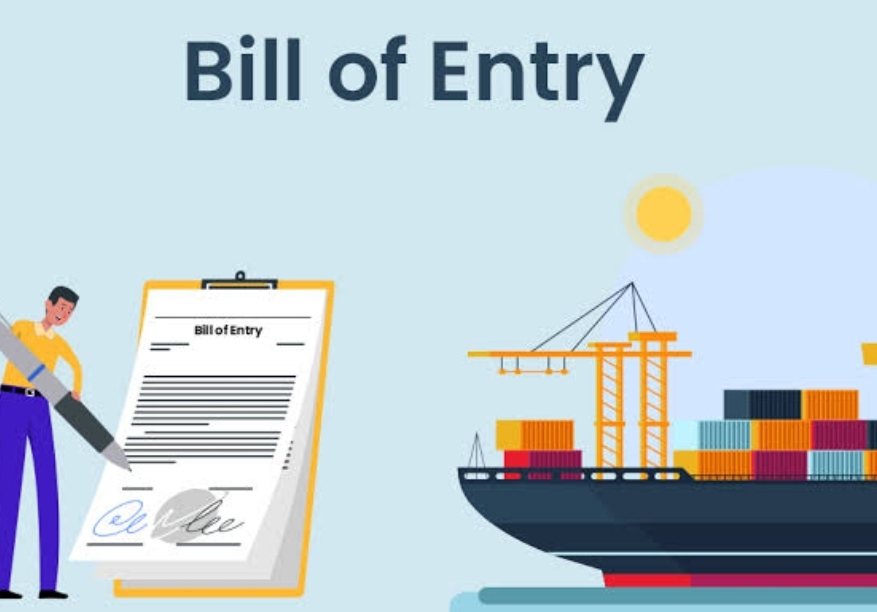
What is Bill of Entry: Guide to its types, importance, and process


What is the Bill of Entry? 
When goods are imported, a legal document is filed by the importer or a customs agent on their arrival. This legal document is called a bill of entry. The bill of entry forms an important part of the customs clearance procedure and is submitted to the customs department

Bill of Entry is a document filed by importers or customs clearing agents upon the arrival of imported goods. In this blog, learn about its need and usage.

What is bill of entry
A key step in the export procedure is documentation. Whether it is business registration or shipping and taxes, documents and licenses ensure smooth export of goods and seamless payments. Export documents usually depend on origin and destination countries and the products being exported, among other things.

All export goods must go through a specific set of procedures as stated by the Customs Office to ensure that authorities are charging the right taxes while checking consignments. This process includes examination, assessment and evaluation of the goods. To allow the authorities to correctly and accurately inspect imported products, every consignment is made available with a set of official documents that contain all the details about the consignment. The Bill of Entry is one such important document.

What is the bill of entry (BOE)?
Bill of Entry (BOE) is a legal document filed by importers or customs clearing agents upon the arrival of imported goods. It is submitted to the Customs Department of the origin country under the customs clearance process1.

The Bill of Entry is usually issued by two agencies:
• Agencies importing goods from foreign nations,
• Agencies selling commodities in a country after buying goods from SEZ or Special Economic Zone

What is the need for a Bill of Entry for exports?
A Bill of Entry provides the following benefits:
• Allows importers to furnish important details of the consignment to the customs authority
• Serves as an authentication document to inform authorities that no illegal commodities have been imported
• Assists customs authorities in cross-checking documents that have been submitted by the exporter during export or shipping
• Enables the customs office to charge appropriate taxes while avoiding malpractices
• Adds to the overall economic welfare of the nation

What are the types of Bill of Entry?
Depending on the purpose and nature of commodities that are imported, the customs office classifies a Bill of Entry into three categories2:
Bill of entry for house consumption:
This is meant for commodities that the importer will procure for self-consumption or specific business processes.
Bill of entry for warehousing:
Also known as Bond Bill of Entry, this type is issued when the importer is not willing to pay import duties at the time of import. In this case, the importer can store the goods in a dedicated warehouse until all dues are cleared at the Customs department.
Bill of entry for ex-bond goods:
When the importer has to release goods from the warehouse and overrule the BOE for Warehousing, a BOE for Ex-bond Goods is issued.

Contents in a bill of entry
Some of the major components in a Bill of Entry form are:
• Name and business address of importer, Customs House Agent
• IEC
• Monetary value and description of the goods
• Name and business address of the exporter
• Destination port
• Importer’s license number
• Rate payable and import duty’s value
• Port code (A Bill of Entry number contains 13 digits – the first of which are Port Codes)
What are the documents required for a bill of entry?
Depending on the type and nature of import, some documents required to obtain BOE are3:
• Shipping invoice
• Packing list
• Bank draft or letter of credit
• Bill of Lading
• Insurance documents
• CHA or importer’s declaration

How to fill a bill of entry?
Below are the steps for clearance of imported goods through a bill of entry:
Step 1:
It is important to confirm the mode of shipment to the CHA or importer. If the goods are shipped via air freight, the ACC Import Commissionerate will handle them. If they are shipped in courier mode, the New Courier Terminal ACC Export Commissionerate (NCT) will handle them.
Step 2:
BOE is usually filed by the customs broker or CHA electronically through EDI (Electronic Data Exchange) service centers via the ICEGATE portal. The BOE format is available on the website that is filed by CHA.
Step 3:
Once the Customs system processes it, CHA can access it and pay the import duties after registering the goods on the ICEGATE portal. The entire process of customs clearance is done electronically.
Step 4:
The customs examines all the details and issues Out of Charge (OOC).


Wednesday, 7 February 2024

All about the Global Logisti

The Global Lighthouse Network (GLN) is a World Economic Forum initiative that examines the future of operations and how Fourth Industrial Revolution (4IR) technologies are shaping production. The GLN is a community of leading manufacturers that use advanced technologies to speed up the adoption of 4IR technologies in their industries. The network includes manufacturing sites that are leaders in the adoption and integration of cutting-edge 4IR technologies. 

To qualify as a lighthouse, manufacturers must meet high standards across four categories:

Significant impact achieved

Successful integration of several use cases

Application of one or multiple 4IR technologies in a real production environment to address a business problem 

Some examples of companies that are part of the GLN include:

Schneider Electric Hyderabad

ACG Capsules (Pithampur), India

ReNew (Ratlam, Madya Pradesh)

Unilever (Sonepat), India

Mondelez

Dr. Reddy's

Cipla 

Monday, 5 February 2024

Nearshoring: A New Era for Resilience

Nearshoring and reshoring have gained significant attention as effective ways for businesses to rethink operations while mitigating risk and increasing speed to markets to optimize operations. What are the benefits and challenges?

What Is Nearshoring?

If you haven't heard of nearshoring, you're probably familiar with offshoring, the practice of shipping jobs like manufacturing and assembly overseas to lower-cost markets like China, India, or Mexico. The practice, a form of outsourcing, gained momentum in the 1970s and 1980s, hollowing out once-strong U.S. industries like steel and textiles.

These days, there may be more talk about nearshoring, which is a cousin of offshoring. Rather than outsourcing jobs to distant countries, nearshoring refers to outsourcing jobs closer to home, in nearby countries.


What is nearshoring, exactly?

Nearshoring is the practice of bringing jobs closer to the home country of the employer and to the end consumer. The central idea is similar to offshoring. Jobs are being outsourced, but the company sends them to a nearby country rather than one across the world.

For example, in the U.S., nearshoring could refer to moving jobs from China back to Mexico, a low-cost country that is much closer to the U.S. than China. It could also mean simply directly outsourcing them to Mexico.

Companies that practice nearshoring tend to do so around the world. If they operate in Europe, they may outsource to a neighboring country and adopt a similar practice in other parts of the world.


Why are companies nearshoring?

Nearshoring has arisen in response to some of the challenges with offshoring, in particular those that came up during the COVID-19 pandemic, such as supply chain delays.


The gap in labor costs has also narrowed since the first wave of offshoring in the 1970s, and ocean freight costs have gotten more expensive as well, further incentivizing the return of manufacturing and assembly jobs.


Nearshoring gives a company more control over its workforce, the ability to manage the work in question, and the cost of other factors of production, whether it's manufacturing or something else.


For example, it's easier for a manager in the U.S. to visit Mexico than China. The distance to ship between the two countries is closer, and while cultural and language barriers still remain between the U.S. and Mexico, they are lower than with China.


Additionally, the similarity between time zones makes communication easier, and China's regulatory environment has become more challenging for U.S. companies.


What kinds of jobs are being nearshored?

The types of jobs that are being nearshored are similar to the same ones that were taken offshore. Information technology jobs, for example, are among those being nearshored, including semiconductor manufacturing.

Logistics and supply chain management is another example of a job that is being nearshored as companies look to avoid the earlier supply chain delays that cost businesses billions of dollars.


Finally, there are also some manufacturing jobs being nearshored as companies see more benefits to bringing production closer to home, where they can save on shipping and better oversee manufacturing and assembly since it's closer to home.

The trend is likely to continue in the wake of the pandemic as companies look to avoid the uncertainty around outsourcing to faraway locations where they are exposed to more risk and have less control.


Nearshoring strategies 

Nearshoring strategies can help de-risk supply chains and bring predictability and stability back to operations. However, companies that have spent years creating global, complex supply chains might be intimidated by the prospect of “undoing” all of this work and moving operations closer to home, which could be costly and time consuming

Nearshoring comes with its own set of challenges including political and regulatory implications, infrastructure and logistics considerations, and risks associated with intellectual property and data security.

Additionally, given the inevitably higher costs of the different inputs (such as labor) in nearshore territories, sourcing will almost always come at a higher base cost—especially for western organizations.


Depending on where the company is based, risks in the geopolitical landscape can also introduce new challenges, as we saw with Russia’s invasion of Ukraine, which impacted not only resource availability but also fuel costs, making it difficult for companies to reshore their operations. Companies must be mindful of political and geographic disruptions when nearshoring to remain secure and confident in their supplier relationships and supply chains.


PRACTICAL STRATEGIES

Choosing the right location is critical to the success of nearshoring operations. When selecting a location, companies must consider factors such as labor availability and costs, infrastructure, regulatory environment, and proximity to the home country.


Whether you’re nearshoring or offshoring, the most fundamental parameter has not changed. Selecting the right supplier partnerships are crucial to nearshoring success. Additionally, it’s important to note the need for a diverse supplier base and avoiding sole-supplier situations. It’s crucial to build close relationships with a focused set of strategic suppliers in the nearshore destination, as they enable stronger supply chains.


Having a set of transparent, mutually aligned performance goals is key. When buyers and suppliers work toward agreed performance goals together—by sharing data, insights, and ideas—risks decrease, innovation opportunities are uncovered, and costs can be optimized.

Close relationships also allow for suppliers to collaborate and be involved in product innovation and design as well as supply chain planning and sustainability-related projects.

Building strong supplier relationships can be also highly beneficial during challenging economic and political times. For instance, during the pandemic and energy crisis, positive relationships proved to be invaluable due to the high level of established trust.

Another practical strategy to adopt when nearshoring is analytics-driven supply chain monitoring. Having access to ongoing insights into suppliers of suppliers and emerging demand-supply situations allows companies to see the bigger picture, analyze details and take appropriate action. Organizations using analytics driven solutions are generally more successful in managing supply chain disruptions.

It’s essential for businesses to navigate the practice of nearshoring strategically to reap potential benefits.


Thursday, 21 December 2023

Free Trade Warehousing Zone (FTWZs) : A Game Changer for India

Free Trade Warehousing Zone (FTWZs) : A Game Changer for India 


Free Trade Warehousing Zone (FTWZs) are a special category of Special Economic Zone, offer services such as speedy delivery of cargo, one-stop for Customs clearance capability; integrated solutions, such as packing management, sorting, inspection, re-invoicing, strapping and kitting, assembly of complete and semi-knocked down kits, and taxation benefits. Basically, the Free Trade & Warehousing Zones (FTWZ) is a special category of Special Economic Zones with a focus on trading and warehousing.


Free trade warehousing zones (FTWZs) have been a phenomenal success in Jebel Ali, Singapore, and Rotterdam. One has to visit these zones to see their sheer size and contribution to the regions they are located in becoming major logistic hubs.


As per The Hindu (March 6, 2011), The Jebel Ali Free Zone (Jafza) accounts for 25 percent of all container throughput at Jebel Ali port and 12 percent of all air freight at Dubai International Airport. Established in 1985, it covers a 48 sq km area and is home to over 6,400 companies from across the world. It sustains over 160,000 jobs in the UAE through its companies and accounts for over 50 percent of Dubai’s exports


Genesis of FTWZ:

In India, Free Trade and Warehousing Zone was introduced in the Exim Policy with the objective to facilitate the import and export of goods and services. Each Zone was considered to have Rs. 100 crores outlay and 5 lakh sq. its built-up area. The government of India introduced the FTWZ Policy as a part of Foreign Trade Policy (FTP) 2004-2009 governed by the SEZ ACT, 2005 and SEZ Rules, 2006 to leverage India’s strategic geographical location and cost and skill arbitrage.


For the development and establishment of FTWZ, the government has permitted 100% Foreign Direct Investment.


Concept of Free Trade Warehousing Zone:

FTWZ is a ‘Sanitized Zone’ designated as Foreign Territory for carrying on a business.  FTWZ’s are envisaged to be Integrated Zones & to be used as ‘International Trading Hubs’. Each Zone would provide ‘World Class’ Infrastructure for:


  1. Warehousing for various kinds of products
  2. Handling and Transportation Equipment
  3. Commercial office space
  4. All related utilities – telecom, power, water, etc
  5. One-stop clearance of Import and Export of goods
  6. FTWZ would be a key Link in Logistics and Global Supply chains – servicing both India and the Globe.


Objective:

The objective of FTWZ is to create trade-related infrastructure to facilitate the import and export of goods and services with the freedom to carry out trade transactions in free currency. The scheme envisages the creation of world-class infrastructure for warehousing of various products, state-of-the-art equipment, transportation, and handling facilities, commercial office-space, water, power, communications, and connectivity, with one-stop clearance of import and export formality, to support the integrated Zones as ‘international trading hubs’. These Zones are planned to be established in areas proximate to seaports, airports, or dry ports so as to offer easy access by rail and road.


Free Trade and Warehousing Zones (FTWZs) are envisaged to be essential logistics infrastructure to facilitate EXIM trade and to root out inefficiencies associated with the movement and valued addition of EXIM cargo in India.


Envisaged Benefits of Free Trade Warehousing Zone :

Envisaged benefits for Imports in India

Flexibility to clear cargo in part consignments (unlike in the case in other Container Freight Station (CFS)/ International Container Depot (ICDs) thus allowing flexibility towards consumption/end distribution duty deferment benefits (freeing up working capital and reduction in costs) de-stuffing and stuffing of cargo from shipping line containers into other containers for avoiding Shipping Line detention charges and customized delivery. The same product could also be stored in the warehouses within the FTWZ at much lower costs as compared to detention charges that plague users. 

A few of the envisaged benefits for imports into India are listed as below:

  • Quality control prior to duty payment, hence no duty to be paid on rejected products
  • Exemption of SAD, VAT & CST on imports through FTWZ Service
  • Tax exemption for Handling & Transportation of containers from Port to FTWZ
  • Availability of state-of-the-art Container Storage Yard with World Class Safety, Hazardous Storage and Maintenance and Repair Facilities within the FTWZ with Service Tax Exemption
  • Free foreign exchange transaction capability for the services rendered including CY/Container Freight Station services.
  • Value addition services can be provided like labeling, packing, kitting, bar-coding, palletization, and other authorized services.
  • All such activities are exempted from service tax as well as any purchases of packaging material, labels, and the like from DTA into the FTWZ would be treated as exports from such suppliers


Envisaged Benefits for Exports from India

A few of the envisaged benefits for exports from India are listed below

  1. Factory stuffed containers entering the FTWZ are treated as deemed export providing immediate export benefits
  2. Local Tax Exemption (e.g. CST, Sales Tax, Excise & VAT) on all activities conducted inside the FTWZ
  3. Increased efficiency through lowered reverse logistics activities through quality control before dispatch from India
  4. Lowering ‘back to town’ costs with better aggregation and consolidation
  5. Facilitating consolidation of cargo with other users of the FTWZ for cost optimization through last-mile distribution
  6. Value addition services can be provided like labeling, packing, kitting, bar-coding, palletization, and other authorized services with all fiscal and regulatory benefits
  7. Availability of state-of-the-art Container Storage Yard with world-class safety, hazardous storage, maintenance, and repair facilities within the FTWZ with service tax exemption
  8. Free foreign exchange transaction capability for the services rendered including ICD/CFS services


Envisaged Benefits for Re-Exports from India

A few of the envisaged benefits for re-exports using FTWZ are listed below

  • Income tax exemption on all profits generated through re-exports activity through the FTWZ
  • Hassle-free re-export process by routing cargo through FTWZ integrated with ICD/CFS services
  • Ability to leverage India’s cost, skill, and geographic positioning advantage as a hub for regional/global distribution post value addition activities
  • Service tax exemption on services availed by routing containers through FTWZ integrated with ICD/CFS services
  • Permission of 100% FDI for the set-up of units by the unitholder of the FTWZ
  • Value addition services as described below can be provided with all fiscal and regulatory benefits
  • The value-added services that can be performed in the FTWZ are packaging, re-packaging, labeling, re-labeling, strapping, refurbishment, crating, carbonization, fumigation, choking, lashing, tagging, shrink/stretch / bubble wrapping, palletization, bagging, re-bagging, quality assurance, kitting, de-kitting, sorting assorting, making combination pack, consolidation, agglomeration, washing, cleaning, processing, repairs & maintenance, CKD/SKD assembly, bottling, blending, cutting, polishing, painting, coating, filming, re-sizing, splitting, threading, coupling and the like.

Thus, FTWZs is a comprehensive infrastructure required for improving India’s container volumes and enabling Importers-Exporters to efficiently and cost-effectively carry warehousing, trading, and value addition activities.


Details Free Trade and Warehousing Zones (FTWZs) SEZs in India

S. No.

Name of the developer

Location

Area (hectares)

SEZ status

1

Arshiya International  Limited

Taluka Panvel, District Raigad, Maharashtra

57.898

Notified/Operational

2

J. Matadee  Free Trade Zone Private Limited

Sriperumbudur Taluk, Kancheepuram District, Tamil Nadu

40

Notified/Operational

3

Arshiya Northern FTWZ Limited

Moujpur, Bulandshar,  Uttar Pradesh

51.4394

Notified/Operational 

4

Arshiya International Ltd.

Taluka & District Nagpur, Maharashtra

43.26

Notified

5

Lepakshi Knowledge Hub Private Limited

Chillamaturu Mandal, Ananthapur District, Andhra Pradesh

40

Formal approval

6

ISPRL FTWZ Padur (Indian Strategic Petroleum Reserves Ltd.)

Padur, Karnataka

41.20

Formal approval

7

Cochin Port Trust

ThoppumpadyRamesaram Village, Cochin, Kerala

40.85

Formal approval

8

Venkatesh Coke & Power Ltd.

Ponneri Taluk, Thiruvalur District, Tamil Nadu

46.71

Formal approval

Source: Ministry of Commerce, Parliament Q&A, 2019.


Examples of FTWZ

1. ARSHIYA INTERNATIONAL

Arshiya currently operates two FTWZs — Panvel near Mumbai spread over 165acre, catering to western India; and Khurja near Delhi spread over 135acre, catering to north India.

Free trade warehousing zones are a category of special economic zones set up to improve logistics infrastructure and facilitate and promote cross-border and international trade. Arshiya’s FTWZs serve as mega trading hubs with integrated logistics infrastructure such as special storage areas, world-class material handling equipment, container yards, inland container depot, customs office and commercial complex.


Panvel FTWZ (Mumbai): Located at Sai village in Panvel on the outskirts of Mumbai, the free trade warehousing zone is located 24km from Jawaharlal Nehru Port Trust, India’s main commercial port.   Spread over 165acre, the Mumbai FTWZ provides easy access to western freight corridors. 

Khurja FTWZ (near Delhi): Located about 80km from India’s capital, Khurja FTWZ is strategically located close to the eastern and western dedicated freight corridor (DFC). The free trade warehousing zone is a part of the 315acre mega logistics hub which also includes a 50acre rail siding and 130acre distribution hub and 60acre ICD set up by the company.


2. Sriperumbudur FTWZ or JMFTZ is a prominent multi-sector Special Economic Zone. It boasts top-tier Grade-A warehousing facilities and state-of-the-art industrial infrastructure, catering perfectly to the requirements of global operators and manufacturers. This makes it a top destination of choice and the zone’s occupiers include industry leaders DHL, DB Schenker, Kerry Indev, TVS Supply Chain, and Seaways Supply Chain.

Singapore-based Xander Investment Management acquired an additional one million square feet of premium warehousing space within the confines of Sriperumbudur FTWZ in 2021.

Sriperumbudur FTWZ enjoys a strategic location along the Chennai-Bengaluru Industrial Corridor (CBIC), boasting exceptional connectivity to key maritime hubs—Chennai, Ennore, and Kamrajar Ports. Collectively, these ports handle roughly 20 percent of India’s container traffic. Additionally, the FTWZ is conveniently situated in close proximity to significant industrial clusters, including Oragadam, Maraimalai Nagar, Tiruvallur, and Kanchipuram. These areas are renowned for hosting a substantial concentration of electronics, automotive, and auto ancillary companies.


What are the advantages of doing business in an FTWZ?

FTWZ units are permitted to maintain inventory on behalf of both foreign suppliers and domestic buyers. Further, FTWZ rules allow multiple ownership transfers—but only within the zone and without movement of goods outside the FTWZ. This strategic approach aims to maintain the trading chain as closely connected as necessary, preventing the accumulation of indirect taxes and compliance burdens while also avoiding an increase in transaction costs.

Units within the FTWZ have the ability to import goods into the zone without incurring duty charges. They can store these goods in the FTWZ and subsequently re-export them without any duty obligations. Furthermore, they are allowed to procure goods from the Indian market exempt from excise duties. This exemption applies not only to the goods that the unit deals with but also extends to items necessary for the growth, functioning, and upkeep of the zone.


Activities allowed in an FTWZ

An FTWZ is a distinct area designated for activities, such as warehousing and trade. Within FTWZs, the following activities are permitted:


  • Storing goods on behalf of foreign suppliers for dispatch according to the owner’s instructions.
  • Trading, whether with or without labeling, packing, or repacking, without the need for processing.
  • Employing refrigeration for storage purposes.
  • Assembling completely knocked-down or semi-knocked-down kits.
  • Reselling, re-invoicing, or re-exporting imported goods.
  • Trade transactions in foreign currencies are permitted.
  • FTWZ units also reap the benefits of indirect tax advantages when engaged in non-Domestic Tariff Area (DTA) sales.


Customs Authority for Advanced Ruling (CAAR)

When goods are placed in the Free Trade Warehousing Zone, they are not acquired by a unit or developer. Consequently, the transfer of goods between the Domestic Tariff Area and FTWZ, or vice versa, does not fall within the definitions of ‘procure’ or ‘import,’ per the CAAR. As a result, such transfers or supplies of goods cannot be considered as ‘re-import’ in the context of the procedures and conditions that typically apply to the re-importation of goods from outside India. Therefore, the act of transferring goods from FTWZ to DTA cannot be categorized as ‘import/re-import,’ and it is thus not covered under Section 7 of the SEZ Act. Consequently, no exemption from duties or taxes is granted.


Utilizing the FTWZ market entry model in international trade

According to analysis from Flanders Investment & Trade, FTWZs provide various advantages for businesses, such as retail chains, manufacturers, and international traders. These zones eliminate regulatory constraints, offering cost-effective solutions for consolidating products from multiple suppliers in Asia. Companies can store and distribute products with lower costs and quicker payment to suppliers.

For example, for industries such as automobile manufacturing and IT hardware production, FTWZ permits the duty-free storage of spares for seamless, low lead time supply to the Indian market. It also offers the flexibility to test spares before actual supply and duty payment. Surplus or defective spares can be re-exported without financial loss.

Foreign rubber suppliers can take advantage of FTWZ by procuring and storing materials from countries like Indonesia, Thailand, or Malaysia during production seasons, aligning with the requirements of Indian tire manufacturers.

Additionally, utilizing forward trading for foreign exchange hedging and cost equalization enhances the cost-effectiveness of FTWZ operations.


How can companies operate through an FTWZ in India?

Companies interested in operating through FTWZs have two options:

Trading Unit: This option allows companies to engage in authorized activities within the FTWZ, which may include trading, warehousing, labeling, consolidation, and more.

Service Unit: Alternatively, companies can opt to utilize the services provided by an authorized Trading Unit.

Companies registered as Trading Units must be Indian entities involved in activities such as import-export, trading, shipping, and other related fields. The specific authorized operations are outlined in the Letter of Approval (LOA), which is granted by the Unit Approval Committee. These LOAs have a standard validity of five years, with the possibility of extending them for an additional five years.


Advantages of FTWZ for Importers

FTWZ imports offer a range of advantageous benefits. Firstly, they provide a high degree of flexibility when it comes to the final distribution of goods within India. This flexibility enables businesses to adapt to changing market demands and streamline their supply chains.

Moreover, FTWZ imports come with duty deferment benefits, which can significantly benefit businesses. This means that working capital is freed up, allowing companies to invest in other aspects of their operations, ultimately leading to increased sales and growth.

Quality control is another advantage offered by FTWZ imports. Companies can ensure the quality of their products before paying duties, minimizing financial risks and maintaining high standards.

Furthermore, FTWZ operations enjoy an exemption from the Goods and Services Tax (GST) on both purchases and services. This exemption extends to various areas, including transportation, reducing the financial burden on businesses.

For businesses dealing with temperature-sensitive products, such as medicines and other human consumption items, FTWZ provides access to temperature-controlled storage facilities. This capability ensures the integrity of these products during storage and transportation.

Another significant benefit is the reduced need for maintaining buffer stocks. With FTWZ imports, businesses can optimize their inventory management, leading to lower product costs.


FAQs about Free Trade Warehousing Zone (FTWZ)

Q: What is a Free Trade Warehousing Zone (FTWZ)?

A: FTWZ is a designated area within a country that provides infrastructure and facilities for storing, handling, and distributing goods with ease of customs clearance. It aims to promote international trade and facilitate export-import operations.


Q: What is the genesis of FTWZ in India?

A: The concept of FTWZ in India was introduced as part of the Foreign Trade Policy (FTP) to enhance trade competitiveness and attract foreign investment. It is a strategic initiative to boost export-oriented industries and improve India’s position in the global supply chain.


Q: What is the primary concept behind FTWZ?

A: The main concept behind FTWZ is to create an integrated facility that offers value-added services, efficient logistics, and customs-related benefits to businesses engaged in international trade. It aims to provide a one-stop solution for trading activities, thereby reducing transaction costs and improving supply chain efficiencies.


Q: What are the objectives of establishing FTWZ in India?

A: The key objectives of FTWZ in India include:

  • Promoting and facilitating global trade
  • Attracting foreign direct investment (FDI)
  • Simplifying customs procedures and reducing bureaucratic hurdles
  • Enhancing the ease of doing business
  • Encouraging export-oriented industries and manufacturing activities

Q: What are the envisaged benefits of FTWZ for trade in India?

A: FTWZ offers several benefits, including:

  • Duty deferment and exemption on re-exported goods, promoting export-led growth
  • Consolidation and deconsolidation of cargo, optimizing logistics and reducing costs
  • Efficient customs clearance and reduced documentation requirements
  • Centralized storage and distribution facilities, improving inventory management
  • Integration with global supply chains, increasing India’s competitiveness
  • Attracting foreign investment and boosting economic growth

Q: Are there any eligibility criteria for businesses to operate within FTWZ?

A: Yes, businesses must meet certain criteria to operate within FTWZ. These may include being engaged in export-import activities, complying with customs regulations, and adhering to the guidelines specified by the relevant authorities.


Q: How does FTWZ contribute to India’s economic growth?

A: FTWZ plays a crucial role in India’s economic growth by attracting foreign investment, encouraging export-oriented industries, and improving the overall efficiency of international trade. It enhances India’s competitiveness in the global market and strengthens its position in the supply chain.


Q: Can domestic businesses also benefit from FTWZ facilities?

A: Yes, domestic businesses can also benefit from FTWZ facilities. They can use FTWZ for storing and processing goods meant for export or import, taking advantage of the customs-related benefits and improved logistics services.


Q: How does FTWZ contribute to the ease of doing business in India?

A: FTWZ simplifies customs procedures, reduces paperwork, and offers a single-window clearance system, making it easier for businesses to engage in international trade. This streamlined process contributes to the ease of doing business in India.


Q: Are there any specific industries that benefit the most from FTWZ?

A: Various industries can benefit from FTWZ, including manufacturing, pharmaceuticals, textiles, automotive, electronics, and consumer goods. Export-oriented industries that require efficient logistics and customs facilitation can particularly benefit from FTWZ services.


Q: What role does FTWZ play in promoting India’s exports?

A: FTWZ plays a significant role in promoting India’s exports by offering duty deferment and exemption on re-exported goods. It enables businesses to optimize their supply chain, reduce costs, and access international markets more effectively.


Q: How does FTWZ contribute to foreign investment in India?

A: FTWZ attracts foreign investment by providing a favorable business environment, efficient logistics, and customs facilitation. The seamless integration with global supply chains makes India an attractive destination for foreign companies looking to expand their operations in the region.